6 Questions To Ask Before Hiring Commercial Movers
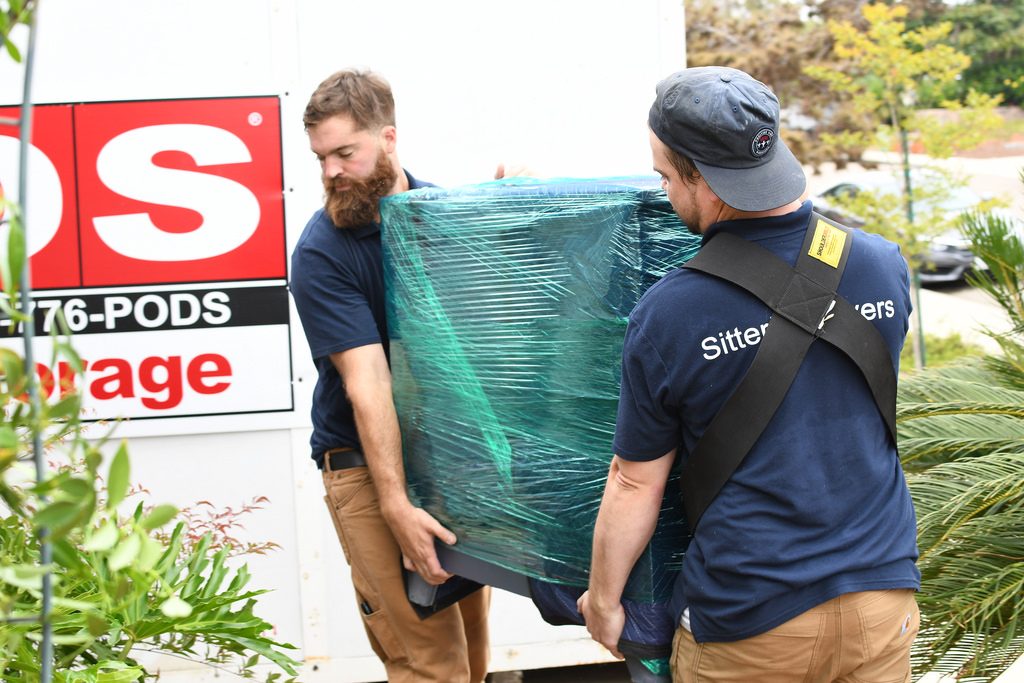
Moving a house might be a headache, but it’s nothing compared to the stress of relocating a business. You’ll encounter plenty of complications from processing permits to explaining to customers to halting your operations. Not to mention the need to move a mountain of equipment, furniture, and boxes. As much as you want to save money doing everything independently, it’s almost impossible to move a business without the help of professional movers.
Still, you’ll have to be careful with the people you hire. To ensure your move’s success, below are six questions to ask before hiring a commercial moving company.
1. What Are Your Experiences With My Type of Move?
Unlike residential relocation, commercial moving is a broad industry. With hundreds of business types out there, professional movers won’t be able to master moving them all. Unless, of course, it’s a big company that can afford to distribute its workforce.
Knowing this, make sure to ask your potential movers if they’ve completed a move similar to yours. If you run a hospital, you don’t want incompetent people to handle your expensive equipment. If you own a restaurant, you’ll want people who know how to pack breakables safely.
Movers with ample experience can work efficiently to reduce your downtime dramatically. More importantly, you also want a company that specializes in your business location. This means hiring one that knows the ins and outs of the city your moving to.
2. Do You Offer Storage Services in Your Own Facilities?
Admit it. Your new workspace won’t be the same as your previous one. You could be moving to a smaller office or buying more equipment and furniture. The thing is, your business is growing. It won’t be long before you have to find a place to store extra stuff temporarily. Hiring a moving company that also doubles as a storage facility will save you time, so you can immediately get back to resuming operations after the move.
Another situation where storage movers prove helpful is when you’re moving a retail business. Sooner or later, expect that you’ll need a place to store your stocks and supplies. You’ll save a lot of space stowing away your merchandise in your mover’s warehouse. That being said, make sure to check if the facility’s security protocols are up-to-date and can be trusted.
3. What Things Will You Move?
As much as they want to, commercial movers might not be able to move everything in your inventory. Depending on the state rules, they won’t transfer certain items such as alcohol or highly valuable personal collections. Additionally, there might also be some things you don’t want them to handle, like important archives and trade secret files. It’s best to discuss with your movers this matter beforehand.
4. What Things Will You Pack?
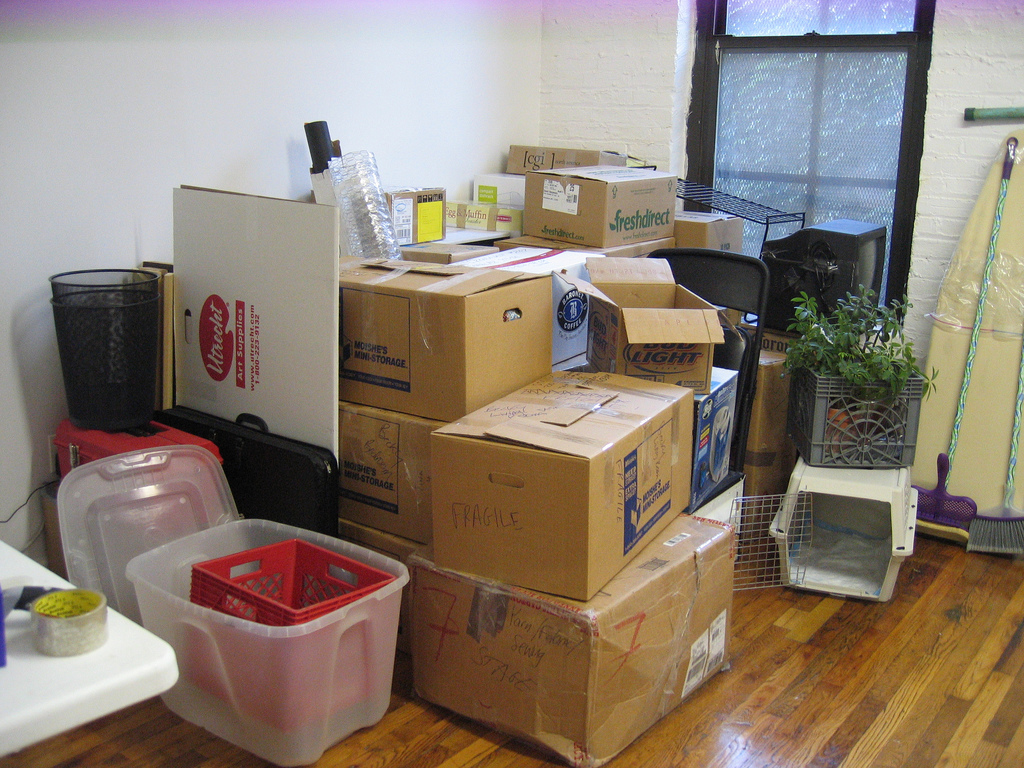
Relative to the point above, commercial movers won’t be held responsible for damage to objects they didn’t pack. For example, they won’t have to compensate you if the coffee machine your staff packed gets broken. That said, letting them pack everything would cost you a lot. It’ll be more cost-effective to let your employees pack their clutter, personal stuff, and cheap items while you entrust expensive machinery and furniture to your movers. Coming to an agreement with your movers helps prevent misunderstandings later on.
5. Are You Licensed and Insured?
While some rogue movers can be found in the residential moving business, some bad sheep still manage to plague the commercial industry. That’s why it never hurts to ask and make sure your moving company is authorized to run their business.
Below are some tips shared by The Movers NYC, a trusted Big Apple moving company, on how to check your mover’s credibility.
- Ask for their USDOT number. If you’re moving out of state, a USDOT number will tell you if the company’s registered with the FMCSA.
- Reach out to local authorities. When moving within the town, your local transport department should be able to provide info about your movers.
- Evaluate their online presence. Legitimate movers should have a well-written website with several testimonials from genuine customers.
- Ask for recommendations from friends and relatives. Nothing beats the credibility of the experience of people close to you.
6. Can You Tell Us More About Your Pricing?
Transparency is essential in a commercial move. Besides the assurance that your assets will be protected, you’ll also want to make sure you get what you pay for. Knowing this, have the movers perform an estimate of your workspace and discuss with them additional services. It helps to tell them your full expectations and needs so they can provide you an accurate estimate of the overall cost. A commercial move doesn’t have to be stressful. Just be sure to do your research and weigh your options carefully.